


Katy Premises Liability Lawyer
 Property owners must take reasonable steps to keep places like stores, apartment complexes, and parking garages safe for visitors. When they fail to address dangerous conditions, serious injuries may lead to filing a premises liability claim. Texas law gives injured visitors the right to pursue compensation, but proving the owner knew, or should have known, about the hazard requires more than a picture of a wet floor sign.
At the Law Office of Shane McClelland, our Katy premises liability lawyer reviews inquiries from residents hurt on properties across the region, and every case evaluation is free. Call (713) 597-4836 or contact us online to talk about what happened.
Why Katy Families Bring Their Property Injury Claims to This Firm
 We review every premises liability inquiry personally instead of routing it through a call center, keeping your case attached to one consistent point of contact from the start.
Our approach is simple: prioritize the needs of our clients above all else, with personalized representation built around maximizing what a property injury claim can recover, backed by 20 years of experience in the Houston area.
What Counts as Premises Liability in Texas?
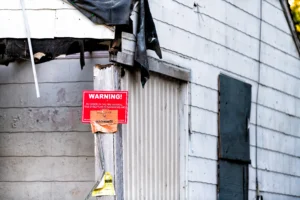 Premises liability covers injuries caused by a dangerous condition on someone else’s property, rather than by driving or direct physical contact. A torn stairway carpet, a broken handrail, or standing water in a store aisle can all support a claim once the owner’s knowledge and response to the hazard are examined.
What Duties Do Property Owners Owe Invitees, Licensees, and Trespassers?
Texas law sorts visitors into three categories. The owner’s duty shifts with each one:
- Invitee: A customer present for the owner’s benefit, owed the highest duty, including reasonable inspection for hazards.
- Licensee: A social guest present for their own purposes, owed a duty to disclose known dangers that are not obvious.
- Trespasser: Someone on the property without permission, owed only a duty against intentional or grossly negligent harm.
These categories decide how much an owner has to do to keep you safe. One exception applies to recreational visitors: under Texas Civil Practice and Remedies Code § 75.002, an owner who permits recreational use generally owes only the reduced duty owed to a trespasser, except in cases of extreme carelessness or intentional harm.
How Do You Prove Negligence in a Katy Premises Liability Claim?
Proving negligence means showing the owner knew or should have known about a hazard and failed to fix or warn about it in time. Texas courts weigh how long the hazard existed, since a spill sitting for twenty minutes tells a different story than one that just formed.
That timeline question sits at the center of nearly every claim a Katy premises liability lawyer investigates. Several sources of evidence typically affect how strong that timeline argument becomes:
- Surveillance footage from the time of the incident
- Incident reports filed with property management
- Maintenance and inspection logs
- Photographs of the hazard taken shortly afterward
Each piece adds context that a verbal account cannot provide on its own. Property owners and their insurers know this, which is why surveillance footage tends to disappear from their systems fast.
What Hazards Commonly Cause Slip and Fall Injuries on Katy Properties?
Retail centers, apartment complexes, and office buildings across Katy see a steady stream of slip and fall incidents tied to ordinary maintenance failures, not freak accidents. Certain conditions show up again and again in slip and fall cases on commercial property:
- Recently mopped floors without warning signs
- Loose mats or uneven flooring transitions
- Poor lighting in stairwells or parking areas
- Spills left unaddressed during business hours
Each condition is preventable with routine inspection. Courts look closely at how often a property gets checked.
Who Can Be Held Responsible for a Premises Accident?
Liability usually falls on whoever controlled the property or the area where the hazard existed, which is not always the name on the deed. A management company, tenant, or maintenance contractor can share responsibility alongside the owner, depending on who controlled conditions at the time.
Contractors and their employees face a different rule. Under Texas Civil Practice and Remedies Code § 95.003, a property owner generally is not liable for workplace injuries to a contractor unless the owner retained control over the work and knew about the danger without warning anyone. Sorting out which party actually controlled a hazard is often the first task a Katy premises liability lawyer takes on.
What Deadlines and Compensation Apply to a Katy Premises Liability Claim?
Texas law gives injured visitors two years from the date of the incident to file a premises liability lawsuit, under Texas Civil Practice and Remedies Code § 16.003. Missing that window typically means losing the right to pursue compensation in court, no matter how strong the underlying claim.
Compensation in a successful premises liability claim can include:
- Medical expenses, including future treatment tied to the injury
- Lost wages from time away from work
- Pain and suffering caused by the injury
The value of a claim depends on the severity of the injury and how clearly the evidence ties the hazard back to the property owner’s actions.
Where Do Katy Premises Liability Cases Get Filed?
Katy sits at the intersection of Harris, Fort Bend, and Waller counties, so where a premises liability lawsuit proceeds depends on where the incident occurred. Cases arising in the Harris County portion of Katy typically proceed through the Harris County Civil Courthouse in downtown Houston, while cases arising in the Fort Bend or Waller County portions proceed through those counties’ courts instead.
Premises Liability Claim FAQ
Does It Matter If a Warning Sign Was Present?
A warning sign helps a property owner’s defense, but does not automatically defeat a claim. Courts still ask whether the sign was visible, timely, and adequate given the hazard, so a faded or poorly placed sign can still support a claim.
Can You File a Claim if the Property Owner Says They Were Not Aware of the Hazard?
Yes. Texas law also holds property owners responsible for hazards they should have discovered through reasonable inspections. Claiming they were unaware of a dangerous condition is not enough if the evidence shows it existed long enough that it should have been identified and corrected.
Does Homeowners or Business Insurance Affect How a Claim Gets Handled?
Insurance coverage determines who pays a judgment, but does not change what a claimant has to prove. Most Katy property owners carry liability coverage meant to respond to these claims, which affects negotiations more than the underlying legal standard.
Start a Katy Premises Liability Lawyer Review of Your Case
A property injury claim loses strength quickly once surveillance footage gets overwritten and hazards get repaired, making early documentation critically important. For a focused review with our Katy premises liability lawyer at the Law Office of Shane McClelland, we provide a free consultation with no pressure to commit. Call (713) 597-4836 or contact us online, and let us examine what your case is worth.




© Copyright 2026 Law Office of Shane McClelland, PLLC • All Rights Reserved.
