

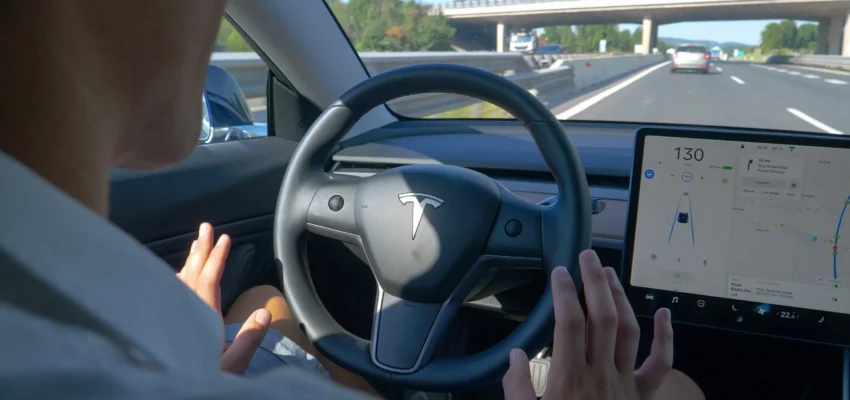
Self-driving cars are operating on Texas roads right now. Waymo launched autonomous vehicle testing in Austin in March 2024, and companies are testing self-driving trucks between Dallas and Houston. When an autonomous rideshare vehicle crashes, who’s responsible?
At the Law Office of Shane McClelland, we’re monitoring this rapidly evolving area of personal injury law. With a Texas personal injury lawyer experienced in cutting-edge vehicle accident cases, you can pursue full compensation for your damages.
Texas Law on Autonomous Vehicles
Since 2017, Texas law (Senate Bill 2205) has allowed autonomous vehicles on public roads. Vehicles may operate without human drivers if they meet federal safety standards, follow traffic laws, include mandatory data-recording systems, carry insurance or bonds, and the automated system is considered the “licensed driver.”
House Bill 3693 (2019) added regulations for testing, registration, and operation. The Texas Department of Transportation works with companies to maintain safety standards.
Levels of Vehicle Automation
The Society of Automotive Engineers defines six levels:
- Level 0: No automation
- Level 1: Driver assistance
- Level 2: Partial automation requiring human monitoring
- Level 3: Conditional automation with human supervision
- Level 4: High automation; minimal human supervision
- Level 5: Full automation (driverless)
Most Texas vehicles are Levels 2 or 3. Level 4 and 5 vehicles are still in testing, though companies like Waymo operate Level 4 autonomous rideshare services in limited areas.
When a self-driving rideshare vehicle crashes, liability could fall on:
- Vehicle manufacturers: Defects in sensors, hardware, or self-driving systems.
- Software developers: Programming errors or algorithm failures.
- Rideshare companies: Failure to maintain vehicles, update software, or ensure proper testing.
- Vehicle owners: Negligence, disabled safety features, or improper maintenance.
- Human supervisors: Safety drivers may share liability if they failed to intervene.
- Third-party service providers: Maintenance or software update errors.
- Cybersecurity failures: Hacks or remote access due to inadequate protections.
Texas Fault-Based System
Texas applies a fault-based system, but determining responsibility can be complicated when no human driver is present. The automated system is legally the “licensed driver,” while the vehicle owner is considered the “operator.” Liability often starts with the owner but can extend to manufacturers or software developers if defects caused the crash.
The Shift to Product Liability
As autonomous vehicles become more common, claims are increasingly based on product liability rather than driver negligence. Injured parties must show:
- A defect existed in the vehicle’s hardware or software
- The defect caused the accident
- The defect caused actual injuries
This changes how rideshare cases are litigated in Texas courts.
Insurance Considerations
Texas requires autonomous vehicles to carry insurance or bonds, but the landscape is still developing. Traditional rideshare insurance models may not apply when no human driver is present. Higher policy limits may be needed because liability often falls on manufacturers with deep pockets. Multiple policies may be involved, rideshare commercial policies, manufacturer product liability policies, and specialized coverages.
Proving an Autonomous Vehicle Claim
To recover compensation, injured parties must show that the accident resulted from a malfunction or defect. This typically requires:
- Analyzing black box data from the vehicle
- Expert testimony from automotive engineers or software specialists
- Accident reconstruction
- Evidence that manufacturers knew or should have known about defects
Accessing vehicle data can be challenging, as manufacturers and rideshare companies may resist sharing it. Few attorneys have the technical knowledge to handle these cases effectively.
Statute of Limitations
In Texas, you have two years from the date of an autonomous vehicle crash to file a personal injury or property damage claim (Texas Civil Practice & Remedies Code §16.003). Contact a Texas autonomous vehicle accident attorney promptly to preserve evidence and protect your right to file a claim.
How the Law Office of Shane McClelland Approaches These Cases
With over 20 years of experience in Katy and across Texas, Shane McClelland handles challenging autonomous vehicle claims by:
- Investigating all potentially liable parties
- Working with automotive and software experts
- Obtaining critical vehicle data
- Handling cases against large corporations
Clients work directly with Shane, not junior associates. Cases are handled on a contingency fee basis; you pay nothing unless compensation is recovered.
Speak With a Katy, Texas Autonomous Vehicle Accident Attorney Today
If you’ve been injured in a crash involving an autonomous rideshare vehicle in Katy or anywhere in Texas, it’s critical to speak with an experienced Texas autonomous vehicle accident lawyer as soon as possible.
At the Law Office of Shane McClelland, our team handles complicated cases involving self-driving cars, including product defects, software malfunctions, and rideshare company liability. Call (713)-597-4836 or contact us online for a free consultation.