

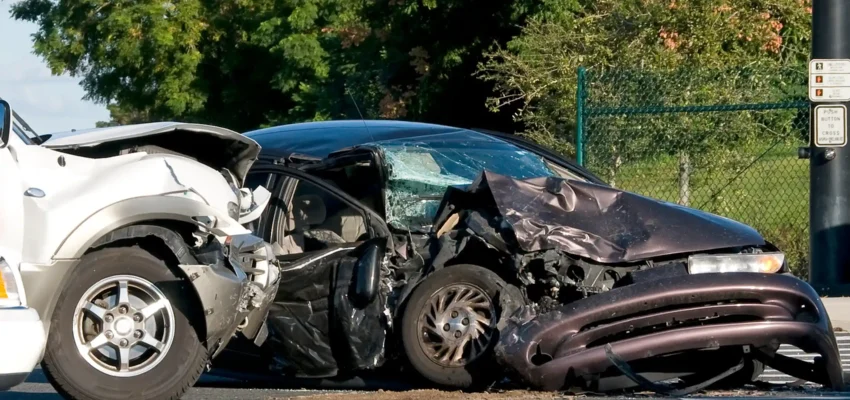
If you are at fault for a car accident in Texas, you may be responsible for paying damages to other parties, your liability insurance will typically be required to respond to those claims, and your own ability to recover compensation depends on your percentage of fault under state law. Being partially at fault does not automatically bar your recovery, but it does directly reduce what you can receive.
How Fault Is Determined After a Texas Car Accident
Texas uses a fault-based system, meaning the party responsible for causing the crash is generally responsible for the resulting damages. Fault is determined through evidence such as police reports, witness statements, photographs, and sometimes expert reconstruction analysis.
Insurance companies conduct their own investigations, but their findings are not always final. Fault can be challenged when the evidence tells a different story or when important details were overlooked during the initial review. Several factors typically come into play when fault is assessed:
- Traffic law violations: Running a red light, speeding, or failing to yield.
- Driver behavior: Distracted driving, fatigue, or impairment.
- Road conditions: Weather, construction zones, or reduced visibility.
- Vehicle positioning: Damage patterns and final resting positions of vehicles.
In many crashes, more than one driver shares responsibility for what happened.
How Texas Comparative Negligence Rules Affect Your Claim
Texas follows a modified comparative negligence system under Texas Civil Practice and Remedies Code § 33.001. This statute directly shapes what you can recover (and what you may owe) when fault is shared.
Here is how the rule applies:
- 50% or less at fault: You can still recover damages, reduced by your percentage of fault.
- 51% or more at fault: You are barred from recovering any damages under Texas law.
For example, if you are 25% at fault and your damages total $80,000, your recovery would be reduced to $60,000. The same math works in reverse for the other party. If you caused 75% of the crash, the other party cannot collect from you for their own share of fault.
This system makes accurate fault determination genuinely consequential. Even a small shift in fault percentage can meaningfully change the outcome for both sides. This matters most in situations such as:
- Multi-vehicle crashes: Where several drivers contributed to what happened.
- Conflicting accounts: Where both parties dispute each other’s version of events.
- Road or weather conditions: These conditions may have affected multiple drivers simultaneously.
- Chain-reaction collisions: Involving multiple impacts across different parties.
The final outcome depends on how fault is assigned and what evidence supports each party’s position.
Your Financial Responsibility After an At-Fault Accident
If you are at fault, your liability insurance coverage will come into play. Texas Transportation Code § 601.072 sets the minimum liability coverage Texas drivers are required to carry: $30,000 for bodily injury to one person per collision, $60,000 for bodily injury to two or more people per collision, and $25,000 for property damage per collision. This is commonly written as 30/60/25 coverage.
Your liability policy may cover:
- Property damage: Repairs to another vehicle or damaged property.
- Medical expenses: Injuries sustained by other people in the crash.
- Legal costs: Defense expenses if a lawsuit is filed against you.
If the damages exceed your policy limits, you may be personally responsible for the remaining amount. This is one reason that minimum coverage often proves insufficient in serious crashes.
How an At-Fault Accident Can Affect Your Insurance
An at-fault accident can affect your coverage costs and policy terms well beyond the immediate claim. Insurance companies evaluate risk based on driving history, and a crash may trigger changes at your next renewal. Common outcomes include:
- Higher premiums: Rates may increase after a claim is paid on your behalf.
- Loss of discounts: Safe driver discounts may no longer apply.
- Policy changes: Coverage terms may be adjusted at renewal.
- Non-renewal: Some insurers may choose not to continue coverage after a significant at-fault claim.
The extent of these changes depends on the severity of the crash and your overall driving record.
How Insurers Use Fault Arguments to Reduce What They Pay
Insurance companies, whether yours or the other party’s, often attempt to reduce the amount they pay by arguing that you bear greater responsibility for the crash. Common tactics include:
- Challenging evidence: Questioning the accuracy of reports or witness statements.
- Reframing the sequence of events: Presenting a version of the crash that shifts more blame to you.
- Assigning partial fault: Inflating your percentage of responsibility to reduce the other side’s payout.
- Minimizing injuries or losses: Arguing that damages are less serious than claimed.
Thorough documentation, consistent evidence, and a clear account of what happened, presented by your car accident lawyer, can counter these efforts.
Speak With Our Car Accident Attorneys at the Law Office of Shane McClelland
Fault in a Texas car accident is rarely as simple as it first appears. If you are dealing with questions about fault after a crash in or around Katy, whether you are worried about what you may owe, what you can recover, or both, our team at the Law Office of Shane McClelland can review your situation and help you understand where you stand.
Contact the Law Office of Shane McClelland at (713) 597-4836 or contact us online to get started with a free consultation.