


Katy Lyft Accident Lawyer
 A Lyft accident in Katy can leave you dealing with painful injuries, medical bills, and uncertainty about which insurance policy applies. Rideshare crashes often involve multiple layers of insurance and legal rules that do not apply in ordinary car accident claims.
At the Law Office of Shane McClelland, our Katy Lyft accident attorneys help injured individuals evaluate how Texas rideshare laws and insurance coverage affect their legal options after a crash. If you were injured in a Lyft accident, call (713) 597-4836 or contact us online to schedule a free consultation.
Why Lyft Accident Claims Involve Unique Legal and Insurance Issues
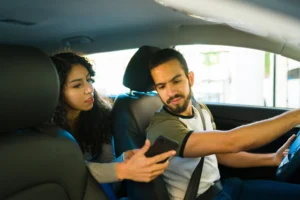 Lyft drivers operate their personal vehicles while using a rideshare platform to accept and complete ride requests. Because drivers are classified as independent contractors rather than employees, determining liability may involve multiple parties and several insurance policies.
Rideshare accident cases are often more complex for several reasons:
- Multiple insurance policies: Coverage may involve the driver’s personal auto policy, Lyft’s commercial liability coverage, and other applicable policies, depending on the circumstances of the crash.
- App activity status: Insurance coverage changes depending on whether the driver was waiting for a ride request, on the way to pick up a passenger, or actively transporting someone.
- Independent contractor classification: Lyft drivers are not traditional employees, which can complicate liability questions when determining who bears responsibility for the crash.
- Serious injury damages: Medical costs, lost income, and long-term recovery needs can significantly affect the value of a claim.
Careful evaluation of the accident circumstances and insurance coverage is often necessary to determine how a Lyft accident claim should proceed.
Lyft and other rideshare services operating in Texas must follow statewide rules established under Texas Occupations Code Chapter 2402, Transportation Network and Delivery Network Companies. This law establishes the legal framework for transportation network companies throughout the state.
Key provisions of the statute include:
- Driver screening requirements: Rideshare companies must conduct background checks before allowing drivers to operate on the platform.
- Insurance coverage requirements: Transportation network companies must maintain minimum liability insurance depending on the driver’s activity status.
- Operational rules: The statute outlines statewide standards for rideshare operations.
- Statewide regulatory authority: Cities cannot impose conflicting regulations on transportation network companies.
Because this statute directly regulates rideshare companies, it directly governs how insurance coverage applies at each stage of a Lyft accident.
How Lyft Insurance Coverage Works After a Crash
Insurance coverage in Lyft accident cases depends heavily on the driver’s status within the rideshare app at the time of the crash. Each stage of a ride triggers different insurance protections.
When the Lyft App Is Turned Off
If the driver is not logged into the Lyft platform, the driver’s personal auto insurance policy typically applies. In this situation, the accident is treated as a standard car crash involving a private driver.
When the Driver Is Logged In But Waiting for a Ride Request
When the driver is logged into the Lyft platform but has not accepted a ride request, limited liability coverage typically applies.
Coverage during this stage may include:
- Liability protection: Coverage if the Lyft driver causes injury to another person.
- Property damage coverage: Payment for damage to another vehicle or property.
- Contingent insurance coverage: Protection that may apply if the driver’s personal insurance denies the claim.
When a Ride Has Been Accepted, or a Passenger Is Onboard
Once the driver accepts a ride request or begins transporting a passenger, higher commercial insurance coverage applies.
This coverage may include:
- Commercial liability insurance: Coverage for injuries caused during an active rideshare trip.
- Uninsured motorist protection: Coverage if another driver causes the crash but does not carry insurance.
- Underinsured motorist protection: Coverage when the at-fault driver’s insurance policy does not fully cover damages.
Two provisions of Texas law are particularly relevant to Lyft accident claims:
Texas follows a modified comparative fault rule under Texas Civil Practice and Remedies Code § 33.001, which applies to Lyft accident claims just like any other personal injury case. Injured individuals may recover damages only if they are not more than 50 percent responsible for the accident. In rideshare cases, fault is often divided among multiple parties, including the Lyft driver, other motorists, or both. If partial fault is assigned, compensation is reduced proportionally.
Under Texas Civil Practice and Remedies Code § 16.003, injured individuals generally have two years from the date of the accident to file a personal injury lawsuit, including claims involving Lyft vehicles. In rideshare cases, this deadline can be especially important because multiple insurance policies and parties may be involved, which can take time to investigate. Missing this deadline typically bars recovery, so acting early helps preserve your right to pursue compensation.
Why Choose the Law Office of Shane McClelland
When dealing with insurance companies and complicated rideshare liability questions, these issues can directly affect how your claim is evaluated and resolved.
At the Law Office of Shane McClelland, clients work directly with our attorneys throughout the process, not assistants or case managers. Our team brings hands-on experience handling Texas rideshare accident claims, including insurance coverage disputes and liability questions that make these cases more involved than standard car accidents.
Clients often appreciate our:
- Thorough case evaluation: Careful review of accident reports, medical records, and insurance policies.
- Clear legal guidance: Plain-language explanations of how Texas rideshare law applies to your situation.
- Personalized attention: Direct communication with your attorney throughout the legal process.
- Experience with injury claims: Representation focused on protecting the rights of injured individuals.
FAQ: Common Questions About Lyft Accident Cases in Katy
What if I Was Injured While Traveling for Work in a Lyft?
If a rideshare crash occurs while you are performing job duties, you may have multiple legal options. In some situations, an injured worker may pursue workers’ compensation benefits while also bringing a third-party claim against the negligent driver. An attorney can evaluate how these claims interact and which path best protects your recovery.
Can I Still Recover Compensation if the Lyft Driver Was Not at Fault?
Possibly. If another driver caused the crash, their liability insurance is the primary source of recovery. If that driver was uninsured or underinsured, Lyft’s commercial policy may provide UM/UIM coverage during an active trip. Identifying all available coverage sources is one of the most important steps after a rideshare crash.
Contact a Katy Lyft Accident Lawyer
Rideshare accident cases often involve multiple insurance policies and overlapping liability issues. Our team at the Law Office of Shane McClelland helps injured individuals evaluate how Texas law applies to Lyft accidents and what legal options may be available after a crash.
If you were injured in a Lyft accident in Katy, call (713) 597-4836 or contact us online to schedule a free consultation.





© Copyright 2026 Law Office of Shane McClelland, PLLC • All Rights Reserved.
